


Preparation and Packaging
Also called “clean area”, the preparation and packaging area refers to a designated space where decontaminated items are processed, inspected, packaged, and prepared for sterilization or storage. It is a crucial component of the SPD workflow, ensuring that sterilized instruments and equipment are handled in a controlled and hygienic environment.
Equipment
In the preparation and packaging area, healthcare professionals carefully inspect each item for cleanliness, functionality, and any damage or defects. Instruments and equipment are sorted, assembled, and packaged according to specific protocols and standards.
This area is often physically separated from the decontamination area through a barrier system and may have restricted access to maintain the integrity of the clean environment.
Overall, the clean area in an SPD is dedicated to maintaining the cleanliness and quality of processed items, ensuring they are safe for use in healthcare procedures. It plays a vital role in preventing infections and safeguarding the well-being of patients and healthcare professionals.

Inspection and Assembly
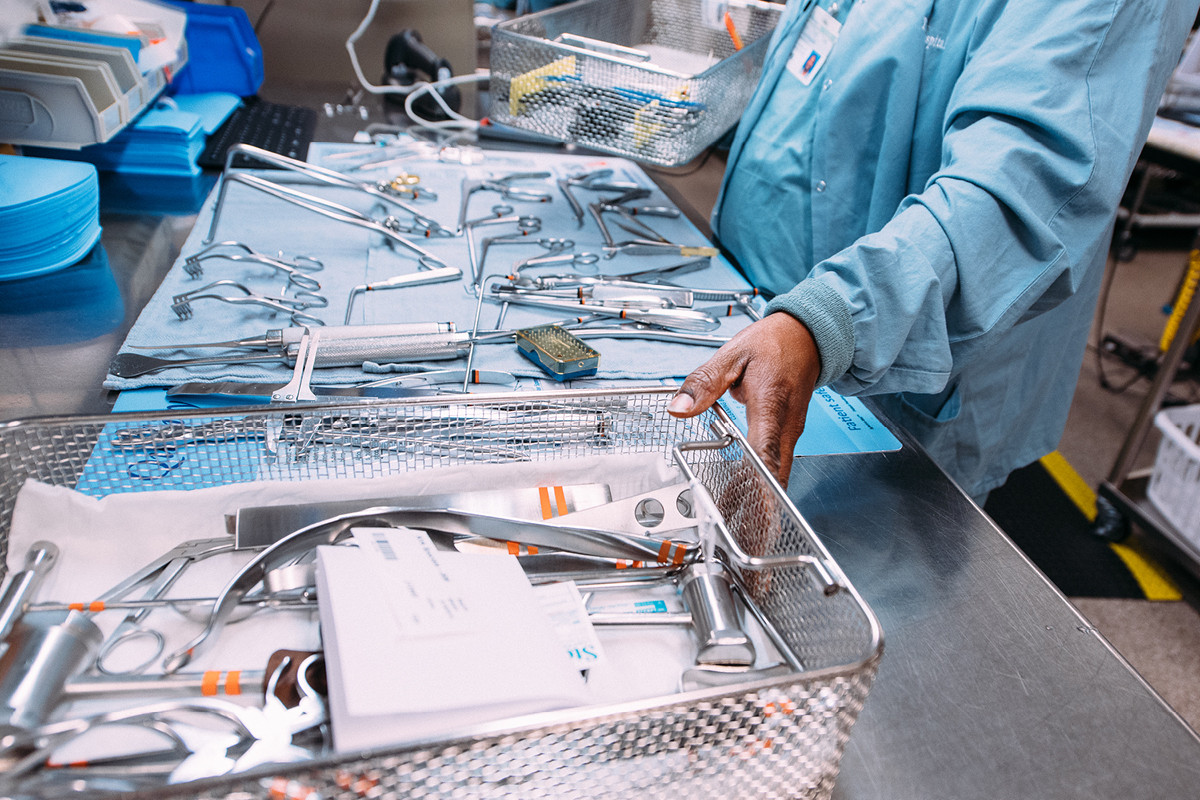
The inspection and assembly phase of sterile processing is a critical step in ensuring that surgical instruments and medical devices are safe, functional, and ready for patient use. After cleaning and decontamination, each instrument is carefully inspected under adequate lighting and, when necessary, magnification to verify cleanliness, integrity, and proper function. Technicians check for residual soil, damage such as cracks or corrosion, and ensure moving parts operate correctly. During assembly, instruments are organized into designated sets according to standardized count sheets or manufacturer instructions, with attention to proper configuration, alignment, and inclusion of all required components. This phase is essential because any overlooked contamination, missing item, or malfunctioning instrument can compromise sterilization effectiveness, disrupt surgical procedures, and pose significant risks to patient safety. By maintaining meticulous inspection and precise assembly practices, sterile processing professionals help uphold surgical quality, regulatory compliance, and overall infection prevention.
Drying
Drying is a critical step in sterile processing because any residual moisture on instruments can interfere with effective sterilization. After cleaning, devices must be thoroughly dried using appropriate methods to prevent water from acting as a barrier to sterilant penetration or promoting microbial growth. Moisture left on instruments can also lead to contamination, corrosion, or compromised packaging integrity. Ensuring devices are completely dry supports proper sterilization, maintains instrument quality, and helps protect patient safety.

Creating and Packing Sets
The preparation and packaging area is designed to minimize the risk of contamination and maintain strict cleanliness standards.
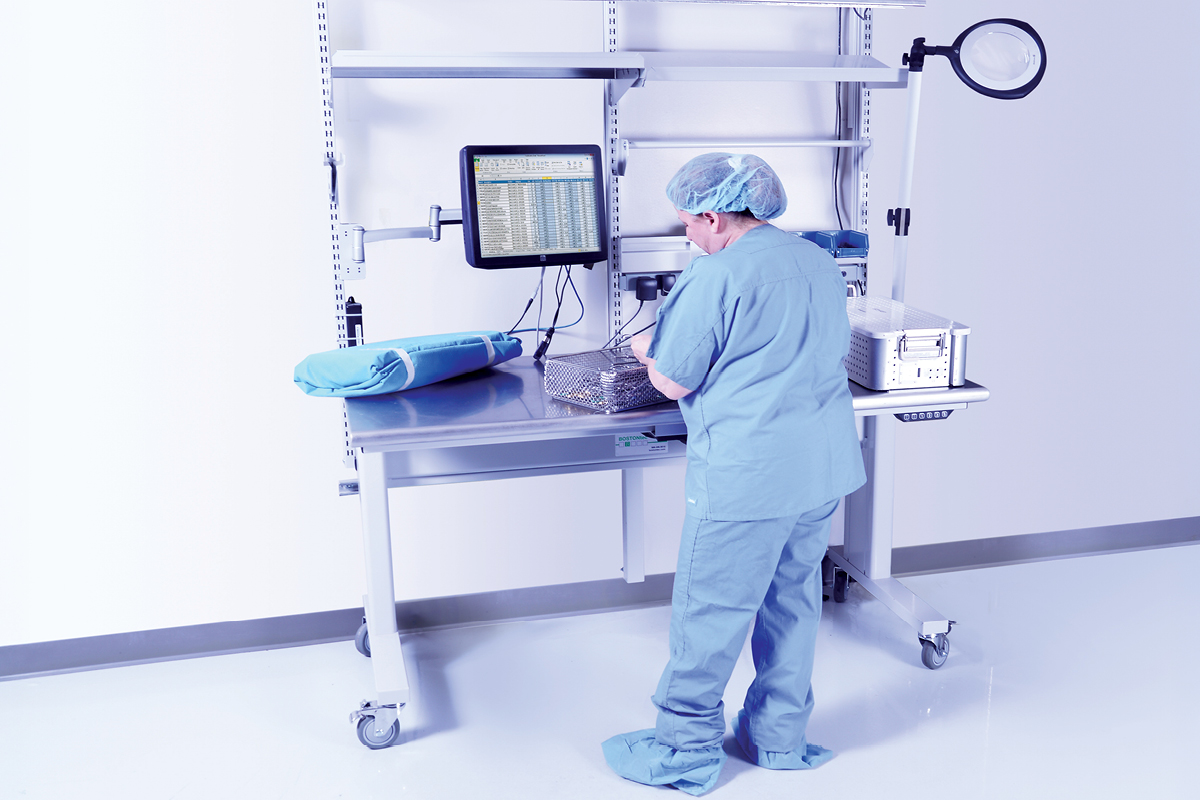
It typically includes workstations, specialized equipment, and storage areas for organizing and preparing items for sterilization.
Our modular approach to designing and building packing workstations around operators – according to the tasks they need to perform – maximizes productivity and safety while creating ergonomic solutions and a pleasant work environment.
Insights
Automation
Automation is key to save time whilst minimizing workflow interruption.
Our automated systems range from loading and unloading to recognizing instruments and packing them. They optimize labor usage and speed up the instrument reprocessing workflow. Moreover, few manual handling makes it possible to free up staff for other important tasks.

Services
Digitalization in Medical
The future is smart. Smart systems in SPDs work flawlessly, informing you well in advance when an error occurs or a repair is needed. Plan your operations with more precision than ever, consequently reducing costs and improve efficiency.
Digitalization also helps track and trace instruments and sets, so to be sure they have been correctly reprocessed inside your SPD or outside in big reprocessing centers.

Related Products

Prep & Pack Workstations
Ergonomic Workstations for Efficient Instrument Preparation and Packaging

50 Series
Fast, Reliable Drying that is Easy to Operate

ID 300
Instrument Drying Cabinet

MST-H Series
Steam Sterilizers - 16 to 24 instrument trays

MST-V Series
Low to Medium Volume Steam Sterilizers - 6 to 12 instrument trays

Other Workflow Accessories
Corner Guards & Accessories
